Same-day AC repair across the Tulsa metro

Contact Info
Air conditioners do not consume refrigerant. It circulates in a sealed loop, so a system that is low this summer after being topped off last summer has a leak, full stop. The top-off treadmill was always a bad deal, and the refrigerant transition has made it worse: with new R-410A production phased out since 2025, service supply shifts toward reclaimed refrigerant and recharge prices climb each season. Paying to vent expensive refrigerant into the Tulsa sky through the same hole every June is the most expensive way to own an air conditioner.
Once found, the fix is honest: a braze repair on an accessible line or fitting is straightforward, a leaking evaporator or condenser coil is a component replacement, and on an old system a corroded coil opens the repair versus replace conversation with real numbers on both sides.
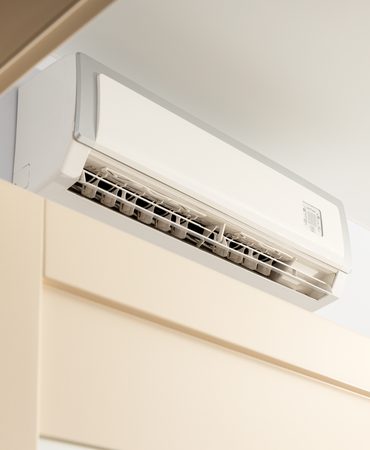
Tulsa sits in a humid subtropical zone, and summer dew points make the latent load a huge share of the work your AC does. A system slightly low on charge loses capacity exactly where Tulsa needs it most, moisture removal, which is why a small leak that a dry-climate homeowner might not notice makes an Oklahoma house feel swampy by August. If the house feels sticky, do not wait for the ice to show up.
One visit gets you a located leak, a firm repair quote, and a straight answer about whether the fix is worth it on your system's age. Call (918) 555-0177 or book online. We run leak calls across Tulsa, Broken Arrow, Sand Springs, Sapulpa, and the whole 918 service area. Typical repair ranges are in the cost guide.
The top-off cycle has hidden line items beyond the refrigerant itself. A system running low on charge loses capacity and efficiency at the same time, so it runs longer hours to hit the same thermostat number, and cooling is already the dominant load on a Tulsa summer electric bill. Low charge also runs the compressor outside its design envelope, which shortens the life of the single most expensive component in the system. And the refrigerant you paid to add is in the atmosphere by next June. Fixing the leak converts all of that into one known repair cost.
Not every leak deserves fixing. A corroded evaporator coil on a system in its mid-teens can cost enough to repair that replacement wins the math, and micro-leaks in a coil sometimes resist economical repair entirely. When the diagnosis lands there, we say so and quote both paths, the coil repair and the system replacement, with real numbers. What we will not do is sell you sealant-in-a-can as a fix or quietly book you for another top-off next summer without telling you what it means.
Timing matters more with leaks than with most repairs. A slow leak found in April is a scheduled fix at a calm price. The same leak ignored until August usually presents as an iced coil during a heat warning, an emergency call, a thawing delay, and a system that has spent weeks grinding itself down on low charge. If the house felt sticky at any point this summer, book the diagnosis now rather than betting on next year.
Why does my AC need refrigerant every year?
Because it is leaking. Refrigerant circulates in a sealed loop and is not consumed, so a recurring low charge means a hole somewhere. Repairing the leak once beats buying increasingly expensive R-410A top-offs every summer.
Is it illegal to just keep topping off an R-410A system?
Servicing existing R-410A systems remains legal indefinitely. The problem is economics, not legality: new R-410A production ended in 2025, supply tightens each year, and recharge costs rise with it.
How do I know if the leak is worth fixing?
Location and age decide it. An accessible line repair on a mid-life system is usually an easy yes. A corroded evaporator coil on a system past its expected life deserves a side-by-side repair versus replace quote, which is exactly what we bring.
Request Service